
1031 Exchange for an Apartment Building
Keep the equity working when the building gets heavy
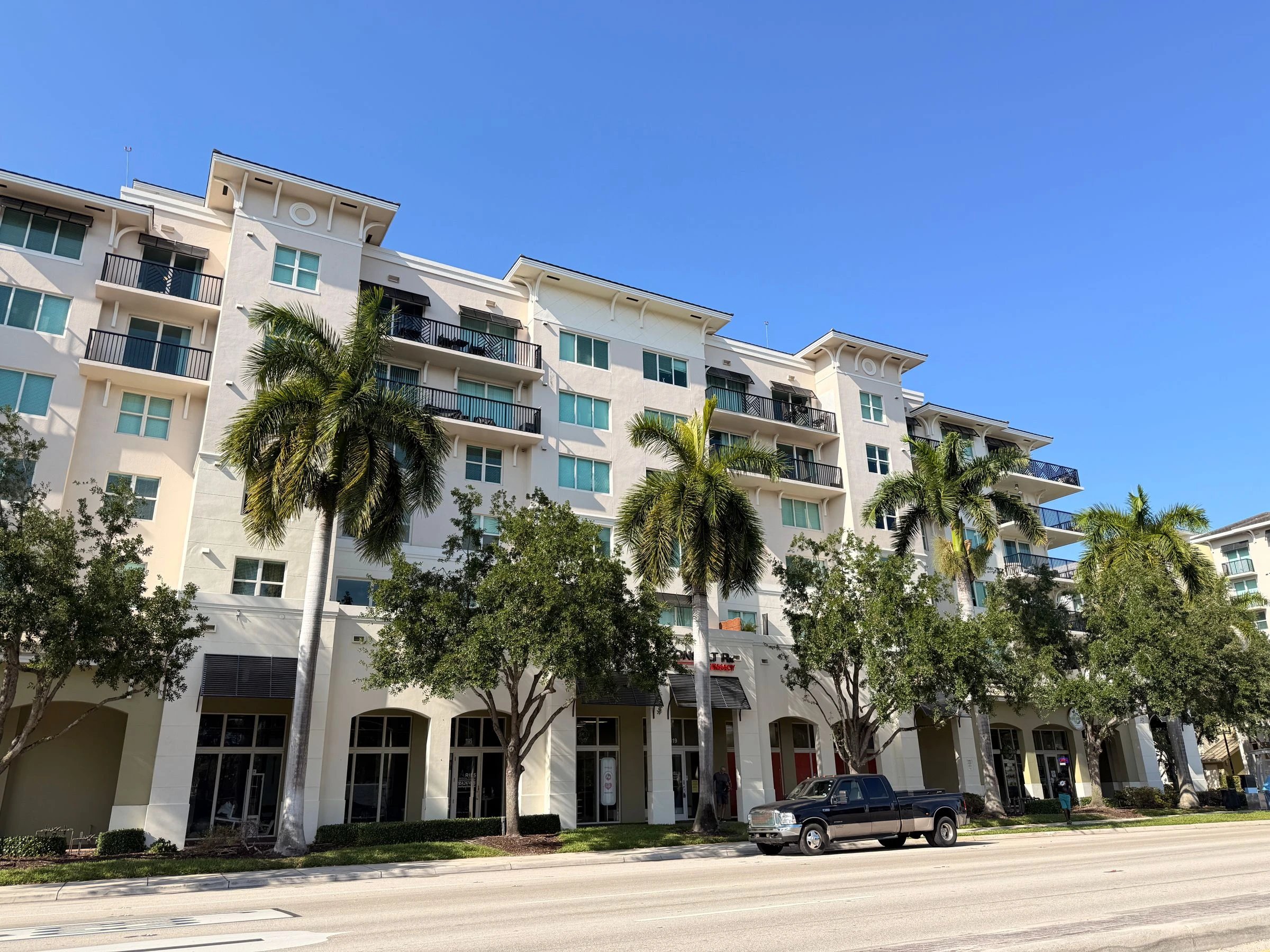
An apartment building held for investment qualifies for a 1031 exchange into any like-kind U.S. real property, from a larger complex to a net lease building or land. The IRS uses apartment buildings as its own example of like-kind real estate. The pressure points are the debt you must replace, cost segregation recapture, and furniture or appliances that are personal property rather than real estate.
The apartment seller's prep file: 5 items. The first is free on this page.
Updated November 15, 2026 by Private Exchange Group. 3 minute read. Not tax or legal advice.
The short version
- Apartments are listed as real property in the Treasury regulations and trade like-kind for other U.S. investment or business real estate.
- Debt paid off at the sale needs to be matched by new debt or added cash, or the shortfall can be taxable boot.
- Components a cost segregation study moved into Section 1245 can carry ordinary income recapture even inside an exchange.
- Furniture and appliances are personal property, so their value sits outside Section 1031 and needs its own allocation.
When the building asks more than it returns
Apartment owners tend to call at one of two points. Either the building has grown into more work than they want, with turnover, repairs and staffing, or it has grown in value and they want to step up to something larger. Selling outright for either reason puts federal capital gains tax, tax on depreciation and possibly the 3.8% net investment income tax ahead of the next purchase.
Section 1031 lets the equity move without that cut, as long as the building was held for investment or business use and the replacement will be held the same way. The Treasury regulations name apartments in their list of buildings that count as real property, and the IRS points to one apartment building traded for another as a basic example of like-kind property.
Trades owners make into and out of multifamily
The direction depends on what the owner wants from the next property: more income, less work, or a different mix of risk. Each move below keeps the deferral available as long as the apartment building and its replacement are both held for investment, and each pushes the owner's workload in a different direction.
- Up to more units
- A small building traded for a larger complex, usually with more debt. The work grows, but so does the income and the room to pay for professional management.
- Several houses into one
- Owners of scattered rental houses consolidate into one apartment building with one roof, one insurance policy and one manager to call.
- Out to net lease
- Owners worn down by tenants trade into single-tenant net lease property, where the tenant usually carries taxes, insurance and maintenance.
- Into trust interests
- A Delaware statutory trust interest can take all or part of the proceeds under Rev. Rul. 2004-86, at the cost of any say in how the property is run.
Before closing or not at all
Three ways a property fails the test
You live in it
A home you live in is not held for investment, and Section 1031 does not cover it.
You bought it to resell
Property held mainly for sale, such as a flip or a builder's lots, is excluded.
It crosses the border or is not real estate
Real property in the United States and real property abroad are not like-kind. Stock, partnership interests and REIT shares are not real property.
General rules, not tax or legal advice.
Debt is the trap many apartment sellers miss
Apartment buildings usually carry real loans, and the loan paid off at your closing counts as value you received. IRS Publication 225 says debt transferred in an exchange is treated the same as receiving unlike property. To defer all the gain, the replacement generally needs equal or greater debt, or you add cash to cover the gap. Read replacing debt in a 1031 exchange before you talk to lenders.
Financing a larger complex takes time. Appraisals, rent roll reviews, property inspections and loan committee approvals all run inside your 180 days. Start the loan conversation while your own building is still on the market, so a term sheet is in hand before your sale closes.
Recapture and furnishings in apartment deals
Some apartment owners ordered a cost segregation study to move carpet, appliances and similar items out of the 27.5-year building schedule into shorter Section 1245 lives. The IRS cost segregation guide describes exactly that shift. The catch comes at the exit. Under Section 1245(b)(4), the ordinary income recapture an exchange can shelter is capped by what you acquire, and a replacement with little Section 1245 property can leave some of it taxable.
Furnished units add another layer. Furniture and appliances are personal property, and since 2018 Section 1031 reaches only real property. Their value on the sale side is outside the exchange, and personal property you receive is not like-kind. The regulations keep incidental personal property worth no more than 15% of the replacement real property from breaking the intermediary safe harbor, but that rule does not make it like-kind.
Before you sign the listing agreement
Bring your loan balance, the depreciation schedule from your return and a clear idea of what you want next to the first conversation. PEG talks through the debt picture and the timeline with you and your CPA, and explains how a multiple property exchange works if you plan to split into several buildings. When the plan is set, open an exchange before the closing.
Questions people ask
Can I 1031 my fourplex into a bigger apartment complex?
Yes. A fourplex held as a rental is investment real property and can be traded for a larger complex. To defer all of the gain, buy at equal or greater value and reinvest all of your net proceeds, with any lower debt made up by added cash. Lender timing on the larger property is the usual risk inside the 180 days.
Do I pay depreciation recapture if I exchange my apartment building?
Not on the building itself when you defer all of the gain, because the gain from straight-line depreciation is deferred along with the rest. Items a cost segregation study reclassified as Section 1245 property are different. Section 1245(b)(4) can make part of that recapture taxable depending on what you buy, so your CPA should run each candidate.
Can partners in an apartment building each do their own 1031?
Not by trading their partnership interests, which the Treasury regulations exclude from Section 1031. Partners who want different outcomes usually change how the property itself is held well before the sale, and that planning has its own risks. Our drop and swap page covers how owners approach it with their tax and legal advisors.
Is 45 days enough time to find a replacement apartment complex?
It can be if the search starts before your sale closes. The 45 days run from the transfer of your building, weekends and holidays included, and as a rule only IRS disaster relief extends them. Sellers who plan ahead line up candidates and lender talks while their own building is on the market, then identify early.



Know where you stand before you close
Tell us when the sale closes and what you own. You will hear where you stand and what has to happen first.
- Whether the property qualifies
- Your 2 deadlines on a calendar
- What your closing agent needs
Asking commits you to nothing. It keeps the option open.
Keep reading
Sources
- IRS: Like-kind exchanges, real estate tax tips
- 26 CFR 1.1031(a)-3, Definition of real property (Cornell LII)
- 26 U.S.C. 1245, Gain from dispositions of certain depreciable property (Cornell LII)
- IRS Publication 5653, Cost Segregation Audit Techniques Guide
- 26 CFR 1.1031(k)-1, Treatment of deferred exchanges (Cornell LII)
- IRS Publication 225, Farmer's Tax Guide